Explore categories
-

Five Beautiful Literary Passages from the Last Hundred Years
Literature — it plucks your heartstrings, tickles you in the strangest of the places, and in the end, leaves you craving for more. A reader will understand what it means, to lie-down on soft, curly grass, underneath winter’s sun and… read a book. We all have had the moments of ecstasy when a book (or… Read more
-

The Philosophy of Friendship
Friendship is older than Philosophy. We can say that with a high degree of certainty — as there are many reasons. One of them, not the most convincing, but perhaps the most endearing, is dogs. You look at a dog and you are led to believe at once that friendship was there long before any… Read more
-

Mughal Emperor Jahangir’s Policy Towards Hindus
Jahangir, Mughal Emperor from 1605 to 1627, modestly increased the size of his empire through conquests. He also snuffed out a half dozen rebellions. On the whole, one might say, he continued the policies of his father, Emperor Akbar. India that Jahangir ruled provided him the wealth to indulge his tastes for formal gardens, entertainment,… Read more
-
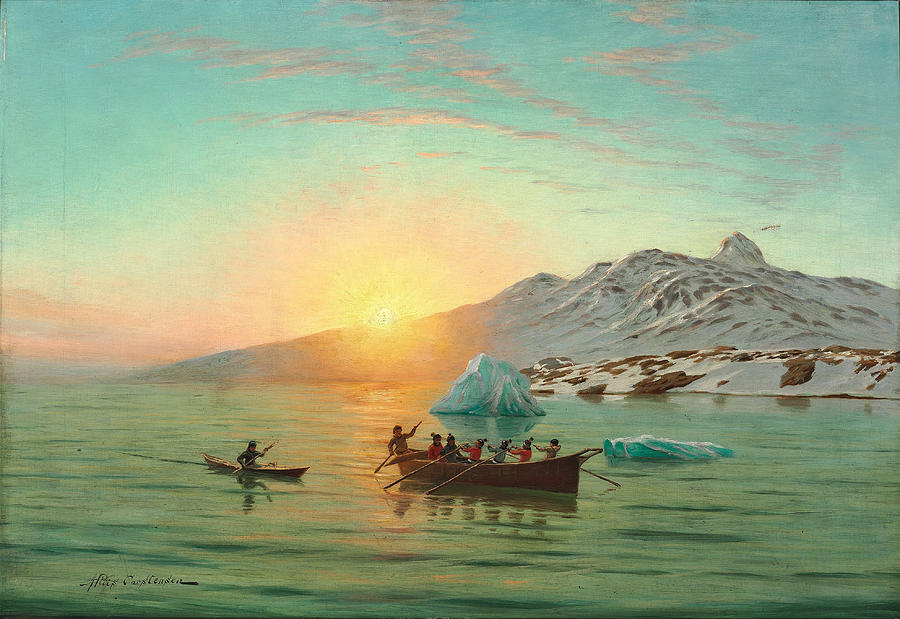
What Happens When an African Travels to Greenland?
An African in Greenland? That makes one curious. We all know what follows when Americans (or Europeans) travel to Africa — that part has filled the history books. But, what happens if the roles are reversed? Well, as it turns out, the entire episode is nothing less than a fairy. The Beginnings A young lad, living… Read more
-

A Creation Myth in an Extinct Indian Language
In ancient times, there lived a man named Phertajido, the first man of the Andaman Islands. He originated from the hollow of a bamboo, and lived alone, roaming here and there in search of food. The Great Narrative of Phertajido The Great Narrative of Phertajido was told in the Bo language, now among the extinct… Read more
-
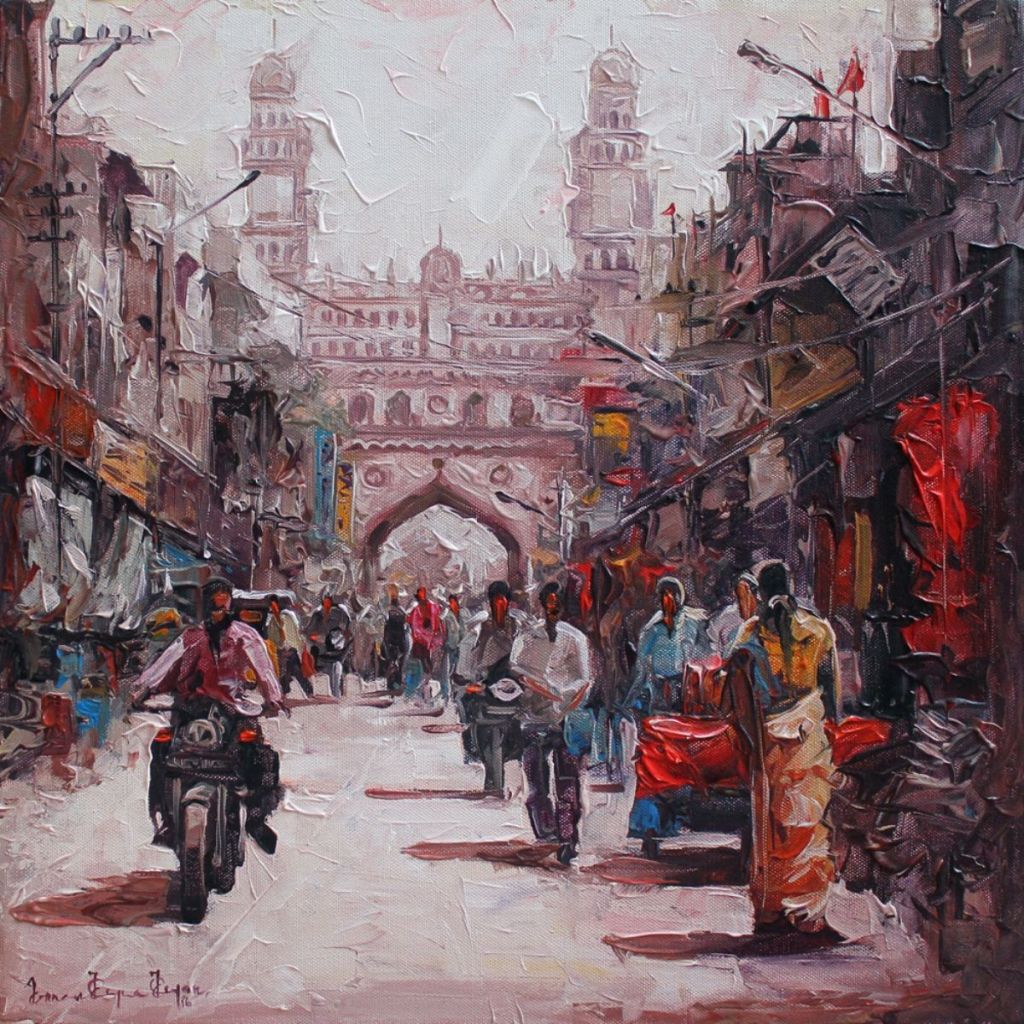
Who is the Majority in India?
Nobody. That’s right, nobody gets a chance to call himself or herself the majority in India. As Shashi Tharoor observes in his book India: From Midnight to the Millennium and Beyond, the concept of being in majority in India makes no sense; after all, everyone is in minority. How is that possible, one might ask?… Read more
 Kalampedia