Explore categories
-

Writing About Writing
I have no idea what to write. Or even, where to start… Uff! Writing has abandoned me, it seems. I feel lost, and the more I think about it, the more indifferent I become. Maybe, and just maybe, I should stop thinking and start writing. About what? I don’t know, writing about writing, maybe? The… Read more
-

Understanding Raga: the Soul of Indian Classical Music
Raga is the oldest and most durable of Indian melodic edifices. We hear about it all the time, whenever the conversation turns to the Indian classical music. What does it mean, though? The word raga is derived from the word ranja, which means that which delights or enchants the mind. It also means a spectrum… Read more
-

Chasing the Monsoon While Reading a Book
“The first sounds I ever heard were those of falling rain.“ Thus begins Alexander Frater’s famous book Chasing the Monsoon. As the subtitle goes, it’s a modern pilgrimage through India, from the southern shores of Kerala to the majestic mountains in Meghalaya. Frater’s journey — that of chasing the monsoon — took place back in… Read more
-

What is Music?
What is music? If you had asked late philosopher Roger Scruton, he would have said, “Music is something that is in this world, but not of this world.” It’s not particularly helpful but a good point to start, nevertheless. It tells us about the transcedental nature of music. You must have noticed how easy it… Read more
-

How Building a Connection with Nature Changes You
What does it mean to feel a connection with nature? It means gaining an insight into the most important network there ever has been and ever will be. It means being aware of our relationship with this network. It means expecting a fascinating and enriching experience each time we step outside. And it means embarking… Read more
-
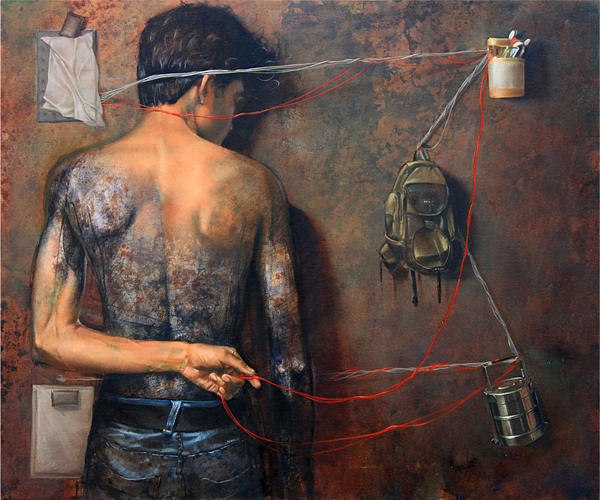
A Philosophical Meditation for Those Who Don’t Make A LOT OF MONEY
Somewhere deep inside, we already know this. That buying expensive things is not going to make us truly happy. Why, then, are we so powerfully drawn to them? Why do we keep hoping against the hope? A philosophical meditation would be helpful to clarify these concerns. It is easy to laugh at ancient people who… Read more
 Kalampedia