Explore categories
-

The Story of Mahabharata – Part Three
Five Pandava boys and one hundred Kaurava boys were growing up in royal settings, as we learnt in the previous episode of Mahabharata series. Let’s find out what happens next. The jealousy of Duryodhana, the eldest of the Kaurava brothers, began to grow at the sight of the skills, strength and dexterity of the five… Read more
-
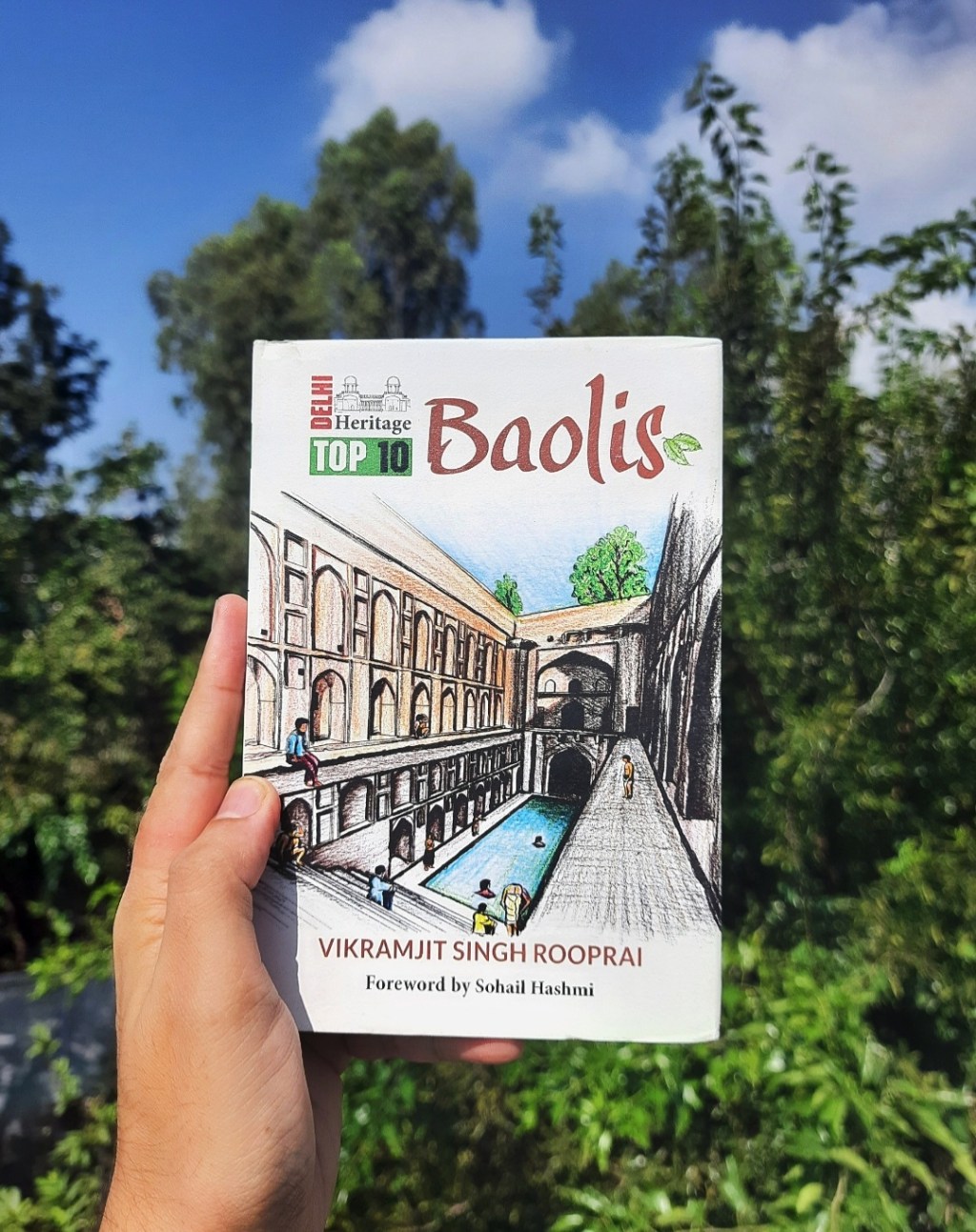
Baolis of Delhi: A Lost Heritage
Since the beginning of civilisation, humans have tried to hold water for their consumption. In India, techniques to store and source water have evolved from the Great Bath of Mohenjodaro to modern dams and reservoirs. In the last 1500 years, people in South Asia have refined their ways of accessing subterranean water by extending the… Read more
-

Book Excerpts: Caveman’s Secret Sauce
Maybe you are stressing about what’s going to happen at work. Or there is something going on in your relationship that requires immediate attention. Maybe you have been a little vulnerable on the health front and are trying to recover. Maybe you are distracted, struggling to focus here. Whatever the struggle, let’s just take a… Read more
-

Sir Syed Ahmad Khan on Hindus and Muslims
Syed Ahmad Khan was perhaps the most eminent Muslim reformist and philosopher of the 19th century. He was born in Delhi in 1817. The family was not orthodox in any sense — they patronised musicians and mystics. There was a tradition of scholarship too: among Syed Ahmad Khan’s forebears were some keen mathematicians. He continued along… Read more
-
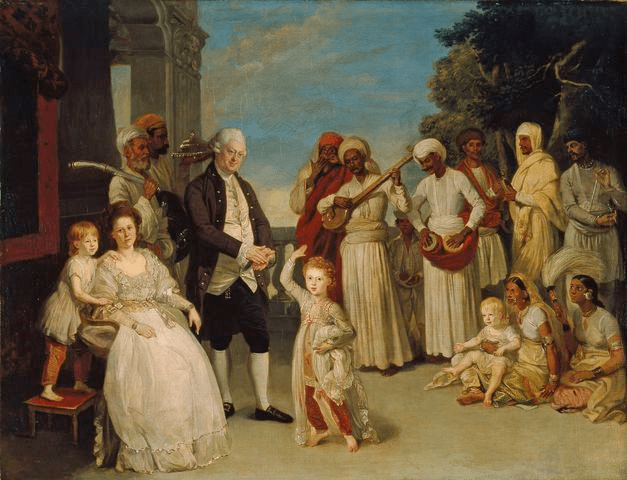
From Macaulay to Sunak: How the British attitudes have changed towards Indians
The year was 1834. The East India Company was working to change the education system of India, trying to make it ‘modern’. In that year Thomas Babington Macaulay became the president of the Committee of Public Instruction. Declaring that a ‘single shelf of a good European library is worth the whole native literature of India… Read more
-
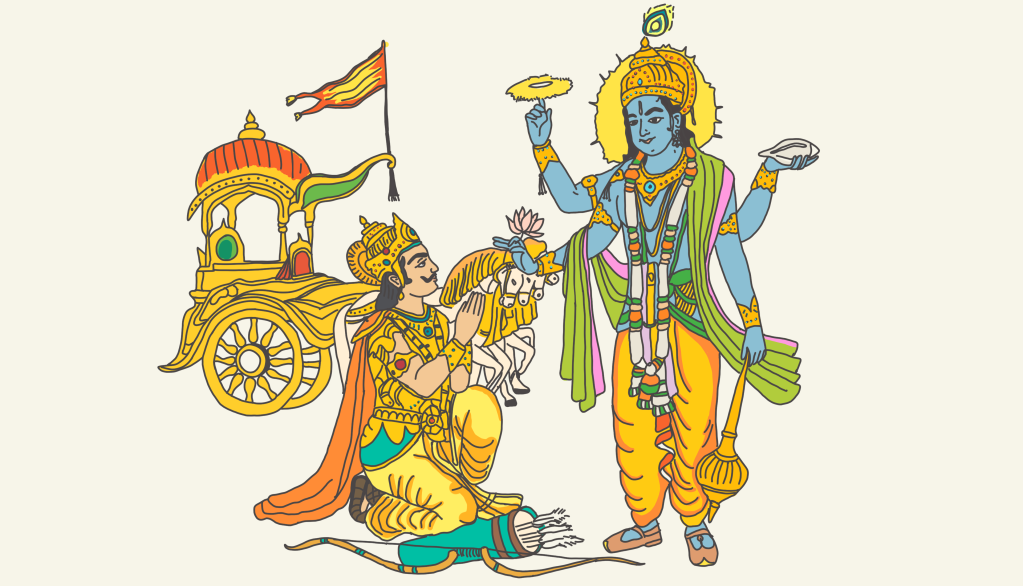
A Short Essay on The Bhagavad Gita
Bhagavad Gita gained widespread popularity when the British East India Company first translated it into English around 200 years back. Let’s look at what it’s all about. Read more

