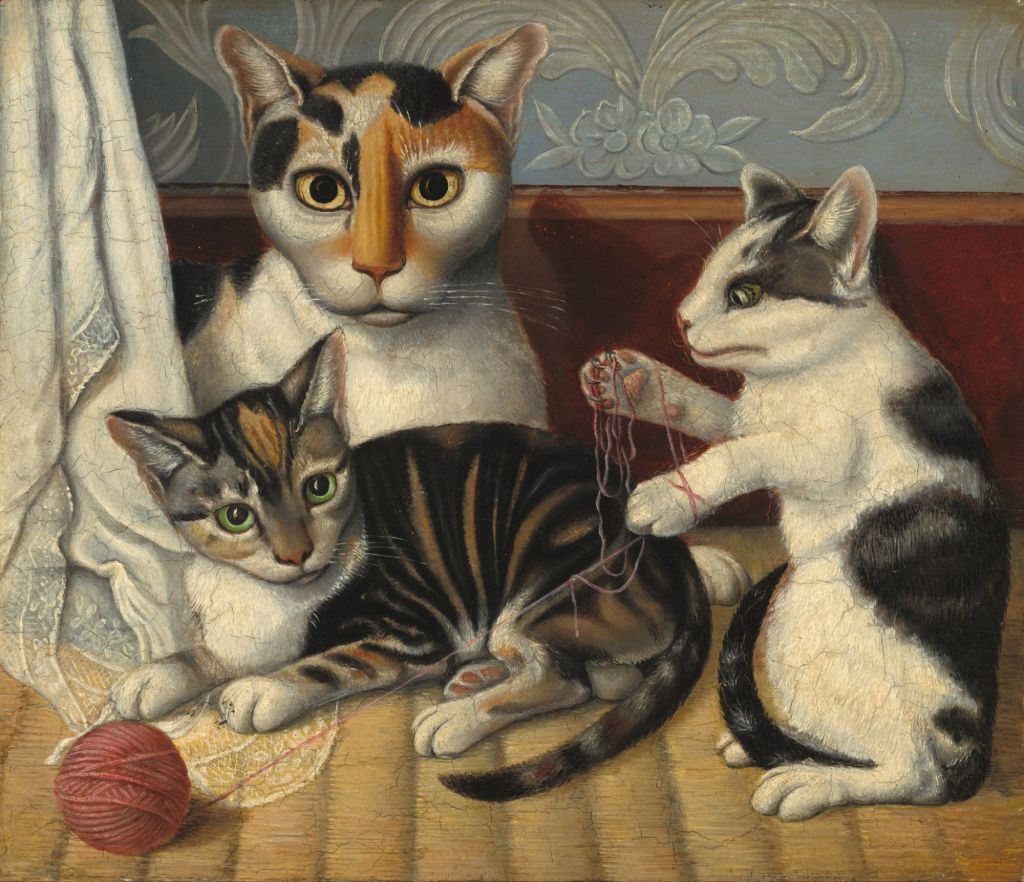
Prescribe a cat? Really?
This slightly nonsensical notion of mental health professionals prescribing a cat instead of traditional medications or therapy is something that you could only find in books, not in our world. But that’s precisely the reason why we read and love books, don’t we?
So, as I said, it was the premise explored in Syou Ishida’s book We’ll Prescribe You a Cat, translated into English by E. Madison Shimoda. This charming collection of interconnected short stories invites us into a strange world of what is known as the Clinic for the Soul, nestled somewhere in the hidden corners of Kyoto. Here, the unconventional approach to healing involves sending patients home with a cat (yes, you heard it right!), leading to transformative experiences that brings a lot of warmth, along with a touch of magic.
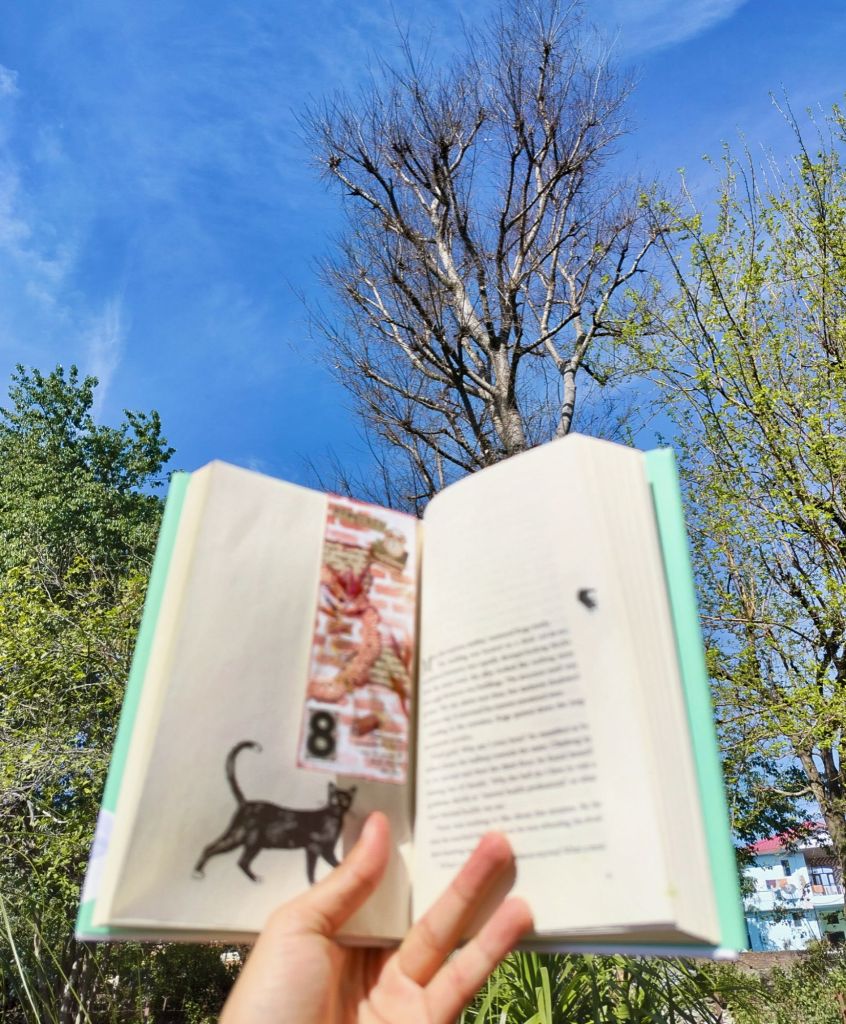
The book opens with a young man walking into a clinic that can only be found by those truly in need, as if it exists on the fringes of reality. The setting itself—a nondescript building at the end of a narrow alley—adds an air of mystery. As you delve into this story and the subsequent ones, you’d meet a diverse cast of characters, each grappling with their own challenges. From a young man overwhelmed by workplace stress to a mother concerned about her daughter’s mental health, the narratives reflect relatable struggles that many face in modern life. I’ve made this point in an earlier essay as well: in our globalised world, the protagonists everywhere live the same life and face similar challenges. And that’s the beauty as well as curse of modernity.
One of the most important aspects of the book is how the author illustrates the profound impact that cats can have on human lives. I think this is the reason many of us (especially cat owners) would pick and enjoy this book. Each character’s journey demonstrates that these delightful companions are not just pets; they add much more value to our lives. For instance, one character finds solace and distraction in managing a particularly mischievous cat, which shifts his focus away from personal turmoil. Another learns to nurture and care for his new feline friend, awakening long-dormant feelings of compassion and responsibility.

The cats themselves are depicted as complex beings—sometimes challenging, often affectionate, and always endearing. They serve as mirrors reflecting their owners’ emotions and needs. The presence of these animals fosters connections that are often absent in human interactions; they offer unconditional love without the complications of miscommunication. This will resonate deeply with cat lovers who will find themselves nodding in recognition at the joys and trials depicted in Ishida’s stories.
While some may categorise We’ll Prescribe You a Cat as magical realism (I noticed some reviewers doing that) due to its enchanting premise, it diverges from traditional definitions. Magical realism often relies on intricate language and layered symbolism; Ishida’s straightforward prose does not do that. So, I wouldn’t call it magical realism, but that does not mean it is not well written. The simplicity, in this case, allows readers to focus on the characters’ journeys rather than getting lost in elaborate descriptions.
So, what are you going to pick next: this book or a cat? Let me know.
 Kalampedia