
Every society holds certain kinds of people in high esteem — while condemning or ignoring others, for having the wrong skills, accent, temperament, gender or skin colour. Yet these definitions of success are far from permanent or universal. Qualities and skills that would result in high status in one place have a marked tendency to grow irrelevant or be frowned upon in another.
To sink a shaft into selected strata of history reveals a catholic range of what different societies in different ages have chosen to view as an honourable person.
High status in Sparta, Greek peninsula, 400 BC
The most honoured members of ancient Spartan society were men and in particular fighting, aggressive men with large muscles, a vigorous (bi)sexual appetite, little interest in family life, a distaste for business and luxury, and an enthusiasm for killing, especially Athenians, on the battlefield.
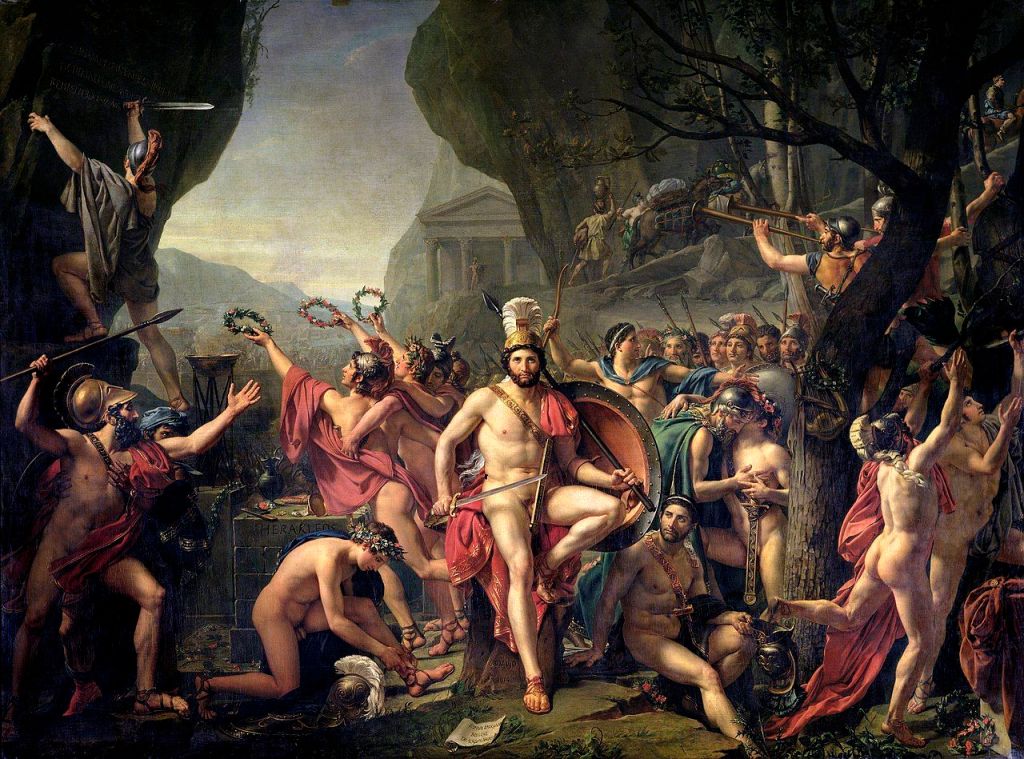
The fighters of Sparta never used money, they avoided hairdressers and entertainers, and were unsentimental about wives and children. It was a disgrace for them to be ever seen in the market place. Even knowing how to count was frowned upon for indicating a commercial spirit.
High status in Western Europe, 476-1096
Following the collapse of the Roman Empire in the West, in many parts of Europe the most revered individuals became those who modelled themselves on the life and teachings of Jesus Christ. Saints, as the Church deemed them, never took up arms, never killed other human beings and tried to avoid killing animals as well.
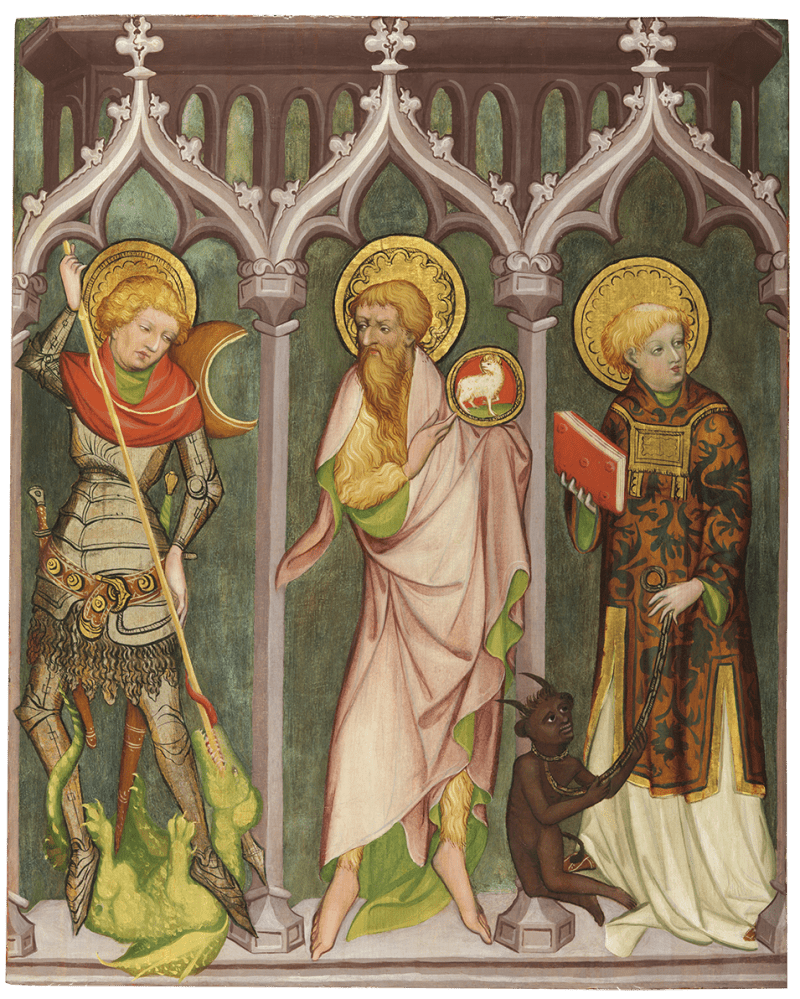
Saints shunned material goods. They didn’t own houses or horses. St Hilarion lived in a cell 5 foot by 4 foot. St Francis of Assisi claimed that he was married to ‘Lady Poverty’, while he and his followers lived in wattle and daub huts, had no tables or chairs and slept on the floor. St Anthony of Padua ate only roots and grasses. St Dominic de Guzman averted his eyes when he passed the houses of rich merchants. Saints tried to suppress sexual feelings and were noted for their extreme physical modesty.
High status in Western Europe, 1096-1500
In the period after the First Crusade, it was the turn of knights to become the most admired people in Western European society. Knights came from wealthy families, they lived in castles, they slept in beds, they ate meat and approved of killing people they thought un-Christian.

When they were not killing people, they turned their attention to animals. John de Grailly was said to have killed 4,000 wild boars. Knights were accomplished lovers too and wooed women at court, often through the skilful use of poetry. They especially prized virgins. They were interested in money, but only when it came from land, not trade. They also liked horses. They were strong men, bold and without fear, and they refused to ride an ass or a mule.
High status in England, 1750-1890
In England by 1750 it was no longer judged necessary to know how to fight in order to be respectable. Dancing was more important. The most admired people in society were ‘gentlemen’. They were wealthy, they tended not to do very much apart from presiding over the management of their estates, they dabbled in industry or trade, but they were keen to distinguish themselves from the inferior caste of merchants and industrialists. They were supposed to like their families and avoid placing their children on hillside for them to die — and yet they could keep a mistress in town.
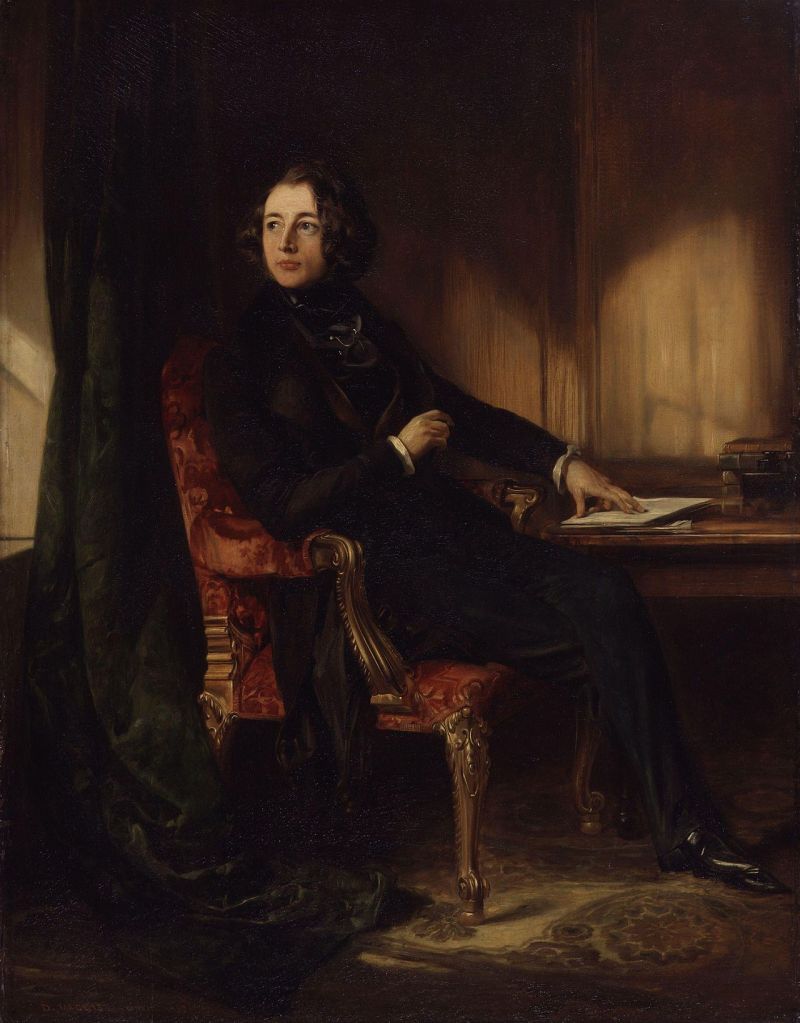
Emphasis was placed on perfect a languid elegance. It was important to take care of one’s hair and visit a barber regularly. Etiquettes had replaced physical strength as a desirable quality.
High status in Brazil, 1600-1960
Among the Cubeo tribe of the north-western Amazon, individuals with the highest status were men who spoke very little (one’s strength was supposed to seep out if one babbled), did not partake in dances, did not involve themselves in raising children but were, first and foremost, skilled at killing jaguars. Whereas low-status men were relegated to fishing, high status ones went hunting. A person who killed a jaguar would wear its teeth on a necklace. The more jaguars one killed, the more chance one had of becoming the headman or tribal chief. Women were condemned to cultivating the manioc root in jungle clearings. Few things brought more shame upon a man than him to be found helping his wife prepare a root-based meal.
High status in our world
You can look around and tell. In our globalised, capitalistic world, wealth and power derived from business leadership, particularly in industries like finance, technology, and entertainment, have been paramount. At the same time, a shift towards valuing social impact and influence (through art, politics, etc) is evident. That means, a polished public image, cultivated through social media and carefully crafted narratives, can also help you get in the list of elites.
What can we learn from this?
Status ideals have long been, and will again in the future be, subject to alteration. These ideals are not cast in stone. What a particular society deems as a high social status merely depends on which group has been able to influence the power structures in order to make its narrative widespread. That is all. Through a ballot box, a gun, a strike ot sometimes a book, these different groups will strive to redirect their community’s notions of who is rightfully owed the privileges of a high-status position.
Reference books:
 Kalampedia

