
There are certain scenes that would awe an atheist into belief without the help of any other argument.
Thomas Gray, Letter, 1739
The grandeur of the snow-capped Himalayas, the vastness of the Pacific Ocean, the ecological richness of the Amazon forests — these are examples of some of the sublime places that awaken something deep within us.
What do these places do to us? How do they do that?
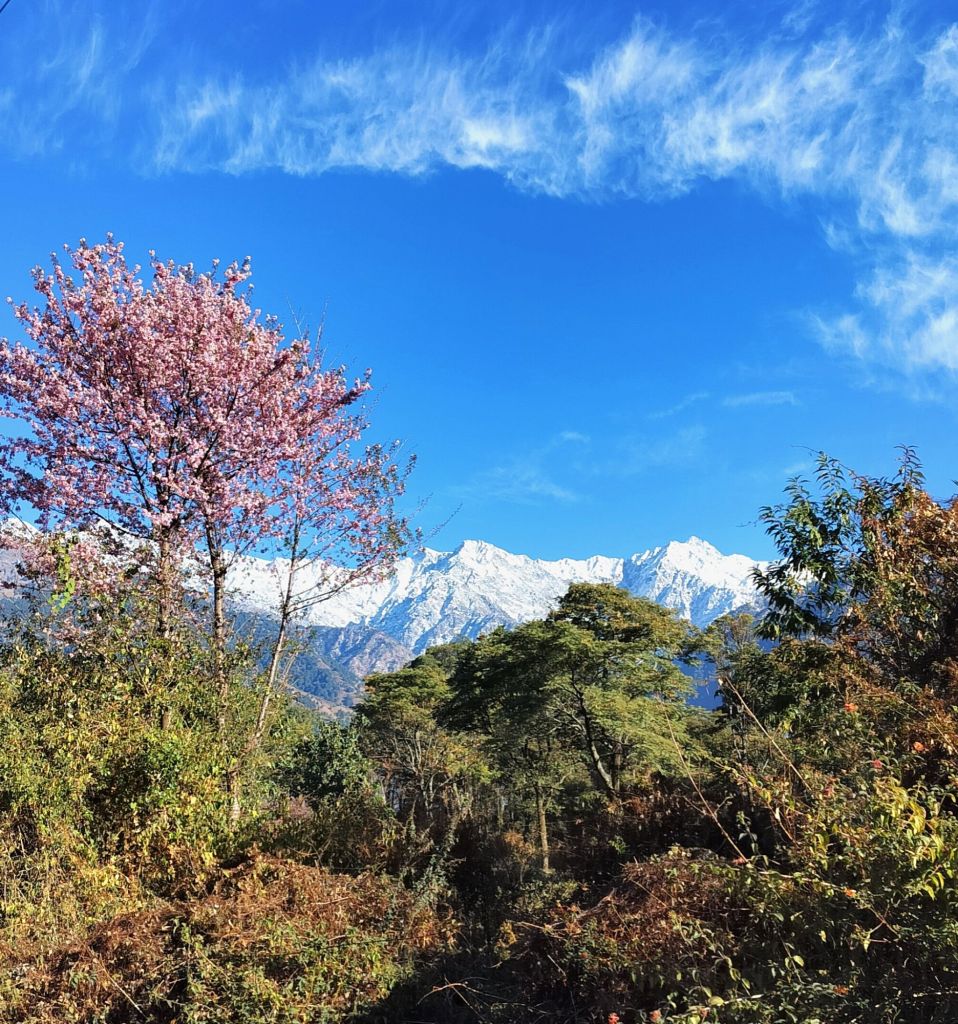
Alain de Botton, in his book The Art of Travel, argues that these places humble us with their sheer scale, their indifference to our human concerns. In their presence, we feel a profound sense of awe, a recognition of our own insignificance in the grand scheme of things. This can be unsettling, but it can also be liberating. It can strip away the illusions of control we cling to, and open us up to a deeper connection to the world around us. In this sense, the sublime can be a spiritual experience, a reminder of the interconnectedness of all things, and our place within the vast and mysterious universe.
God and sublime landscapes
The link between God and sublime landscapes is made most explicit in one book of the Bible. The circumstances are peculiar. God is asked by a righteous but desperate man, Job, to explain why his life has grown full of suffering. And God answers him by bidding him to contemplate the deserts and the mountains, rivers and icecaps, oceans and skies. Let’s reflect a bit on that answer.
God draws Job’s attention to the mighty phenomenon of nature. Do not be surprised that things have not gone your way: the universe is greater than you. Do not be surprised that you do not understand why they have not gone your way: for you cannot fathom the logic of the universe. See how small you are next to the mountains. Accept what is bigger than you and you do not understand. The world may appear illogical to Job, but it does not follow that it is illogical per se. Our lives are not the measure of all things: consider sublime places for a reminder of human insignificance and frailty.
A universal message on sublime
The above message, though religious in nature, has some valuable advice for secular spirits.
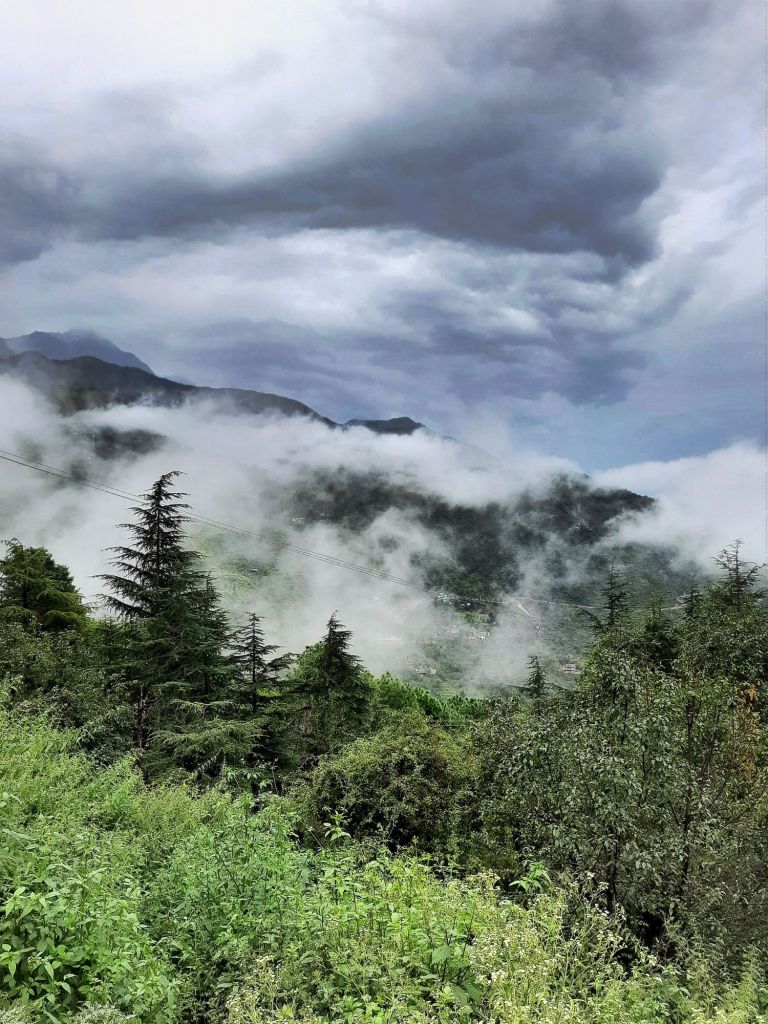
Sublime landscapes, through their grandeur and power, retain a symbolic role in bringing us to accept without bitterness or lamentation the obstacles we cannot overcome and events we cannot make sense of. As the Biblical God knew, it can be helpful to back up deflationary points about mankind with reference to the very elements in nature which physically surpass it — the mountains, the girdle of the earth, the deserts.
If the world is unfair or beyond our understanding, sublime places suggest it is not surprising things should be thus. We are the playthings of the forces that laid out the oceans and chiselled the mountains. Sublime places gently move us to acknowledge limitations that we might otherwise encounter with anxiety or anger in the ordinary flow if events. It is not just nature that defies us. Human life is as overwhelming, but it is the vast spaces of nature that perhaps provide us with the finest, the most respectful reminder of all that exceeds us. If we spend time in them, they may help us to accept more graciously the great unfathomable events that molest our lives and will inevitably return us to dust.
 Kalampedia