
It’s fairly easy to tell nowadays. Whether it’s your own family member or a celebrity in some distant corner of the planet, you can almost always guess who stands where in the political spectrum.
That itself should not be a problem. The real quagmire lies in the unyielding nature of these affiliations. The colossal wall between liberals and conservatives (Left and Right) has grown so towering that even a dialogue feels like scaling the Everest in flip-flops. It’s as if each side has erected a fortress, complete with a “No Entry” sign for any dissenting ideas.
The result?
Our conversations have morphed into toxic battlegrounds, where discourse is overshadowed by the thundering clash of ideological swords. It’s obvious that both camps have adopted the belief that their adversaries are not just politically misguided but morally corrupt to the core.
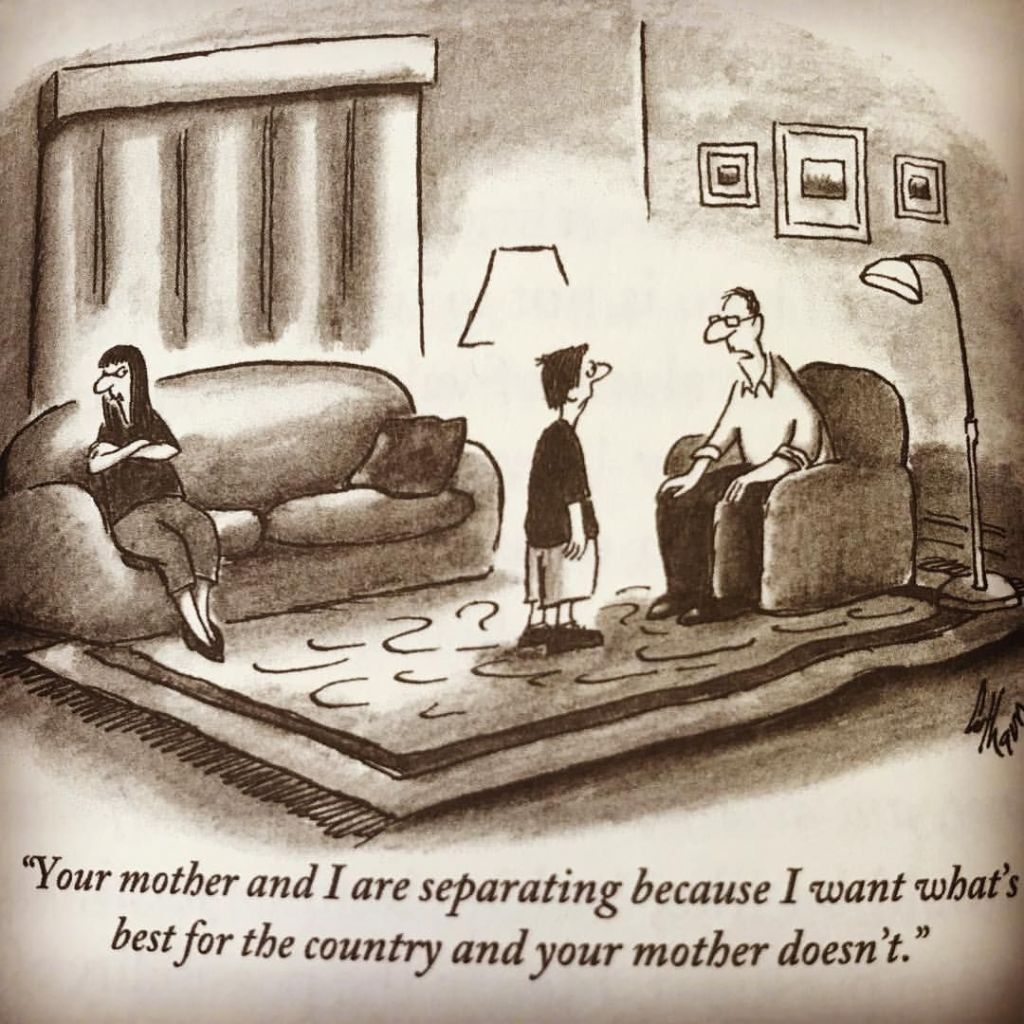
Where do we go from here?
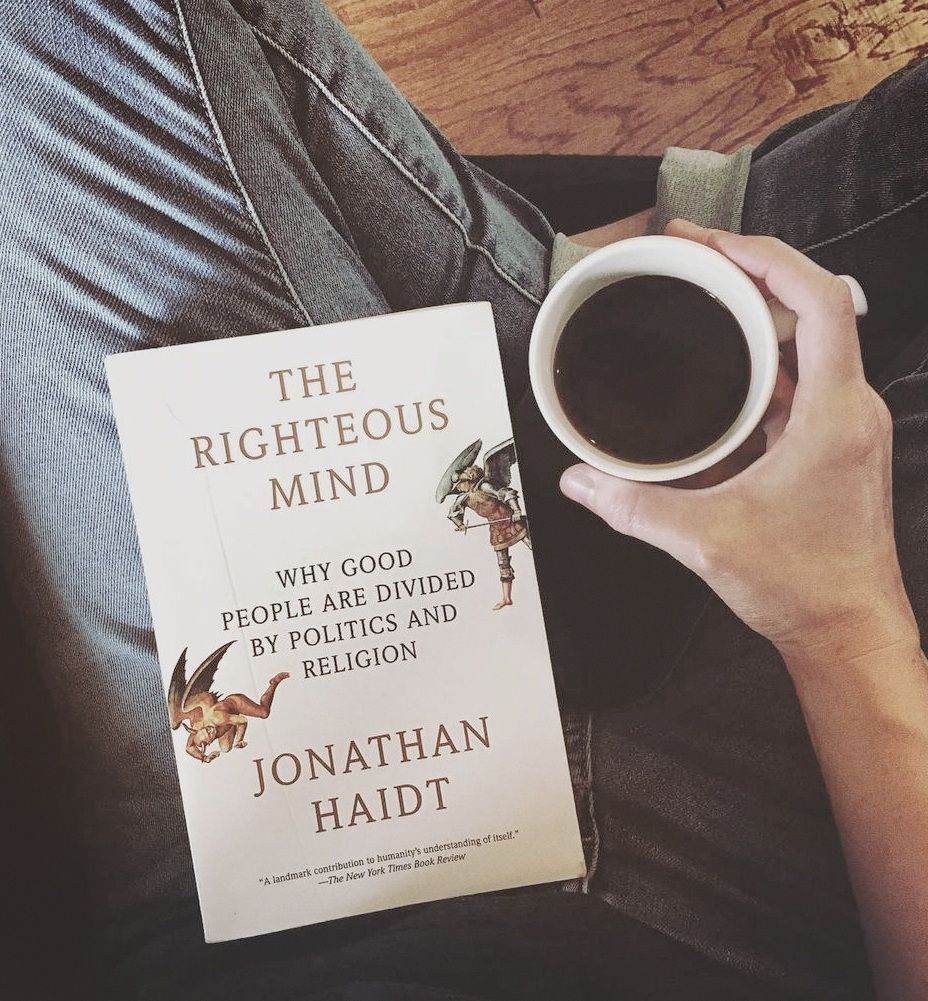
Well, once again, books come to our rescue — and this time we venture into the intricacies of moral philosophy. Jonathan Haidt’s The Righteous Mind: Why Good People are Divided by Politics and Religion can be a good starting point to understand the puzzle.
What is Morality?
Morality, as explored by Jonathan Haidt in The Righteous Mind, is what guides human behaviour and decision-making. It encompasses a set of beliefs about what is right and wrong, shaping our judgements and actions within social, cultural, and political contexts.
Haidt argues that the origins of morality can be traced back to evolutionary processes and cultural evolution. Consider the act of killing a dog. Evolutionary roots may drive a moral instinct against unnecessary harm, promoting group cooperation for better survival. In one culture, this may lead to strong dog welfare norms, valuing compassion. In contrast, another culture could view dogs differently, maybe as a source of food for their own well being. Here, we can see how evolutionary tendencies form a universal baseline, while cultural influences shape the specific moral standards around actions like treatment of a dog.
This implies that our moral instincts are, to some extent, inherent and then further shaped by socio-cultural influences. Changing these instincts is a formidable task in either case. While one might believe that exposure to new data and information can alter them, Haidt demonstrates that we often form our moral decisions instinctively and subsequently seek to rationalise them through some form of moral reasoning. Once again, you can consider the above example, where one group would justify the killing of a dog (like any other animal) and the other would find it abhorrent.
Morality in Politics
Morality influences political decision-making by serving as a guiding force in the political landscapes. It operates as a set of guiding principles, shaping values and ethical considerations that drive decisions on political ideologies and policies. We often rely on our moral compass to assess what is right or wrong, just or unjust in the political realm — and that’s the foundation of our political attitudes.
This connection between morality and politics is evident in the value-based decision-making process. Political choices are frequently driven by deeply rooted moral convictions, influencing stances on social justice, equality, and personal freedoms. Moreover, morality contributes to the formation of political identities and group affiliations, as individuals align themselves with movements or parties that resonate with their moral values, fostering a shared sense of purpose.
The Six Moral Foundations
The question is: what’s behind our moral considerations? What makes us prioritise gender equality over economic reforms, or the other way around?
In the book, Jonathan Haidt introduces six moral foundations that underpin our ethical reasoning. An understanding of these foundations provides an insight into the ideological differences between liberals and conservatives.
Care/Harm:
The care/harm foundation is a cornerstone for both liberals and conservatives, albeit with nuanced differences.
Liberals champion caring for those in need through robust social welfare programs and healthcare reforms, emphasising collective responsibility for societal well-being. One example would be the advocacy for universal healthcare, demonstrating a commitment to mitigate harm and ensure a healthier society.
Conversely, conservatives, while acknowledging the importance of care, often lean towards focusing on personal responsibility and community-based solutions, showcasing their preference for a more localised approach.
Fairness/Cheating:
The concept of fairness resonates strongly with both political spectrums, once again with divergent interpretations.
Liberals advocate for equal opportunities and social justice, endorsing policies such as progressive taxation to address income inequality. In contrast, conservatives, while valuing fairness, may stress meritocracy, opposing measures like affirmative action that they perceive as compromising equal opportunities.
Loyalty/Betrayal:
Loyalty to institutions and traditions is a moral foundation that distinguishes the left from the right.
Liberals may exhibit scepticism towards established norms, emphasising the importance of questioning authority for societal progress. This is evident in movements advocating for police reform and governmental transparency. On the contrary, conservatives prioritise loyalty, valuing established institutions like family, country, and religion, and resisting changes perceived as jeopardising social cohesion.
Authority/Subversion:
The foundation of authority/subversion reveals contrasting perspectives on governance and power dynamics.
Liberals, often sceptical of authority, advocate for decentralisation of power and increased citizen participation. Movements for government transparency and accountability exemplify their commitment to challenging hierarchical structures.
On the other hand, conservatives prioritise the need for strong leadership and institutions to maintain order, supporting measures like stringent immigration policies.
Sanctity/Degradation:
The sanctity of values and moral principles is another key moral foundation, showcasing differences in cultural acceptance.
Liberals, embracing diversity, advocate for social inclusivity, supporting LGBTQ+ rights as a testament to their acceptance of non-traditional lifestyles. Conservatives, however, place emphasis on preserving sanctity, defending traditional values and structures against perceived moral degradation.
Liberty/Oppression:
The foundation of liberty/oppression underscores the importance of individual freedoms, revealing varying priorities in safeguarding personal liberties.
Liberals champion civil rights and personal freedoms through movements advocating for freedom of expression and privacy rights. Conservatives, while also valuing liberty, prioritise maintaining social order to ensure the security of individual freedoms, often supporting measures like a robust national defense.
Conclusion
As evident from the above discussion, the two political camps perceive the world through distinct prisms, emphasising diverse moral values such as care, fairness, loyalty, authority, and sanctity. While liberals may prioritise care and fairness, conservatives tend to encompass a broader spectrum, including loyalty, authority, and sanctity in their moral outlook. This has two important consequences:
- The two groups often fail to understand each other, because they fail to see where the opponent is coming from.
- Conservatives hold a clear advantage in democratic politics since they address a wider range of moral concerns.
To bridge the gap between these two political groups, fostering understanding and dialogue is essential. Recognising that both sides possess valid moral concerns and values can lay the foundation for constructive conversations. In doing so, we can transcend ideological divides, creating a more inclusive and harmonious societal discourse that recognises the richness of diverse perspectives.
 Kalampedia