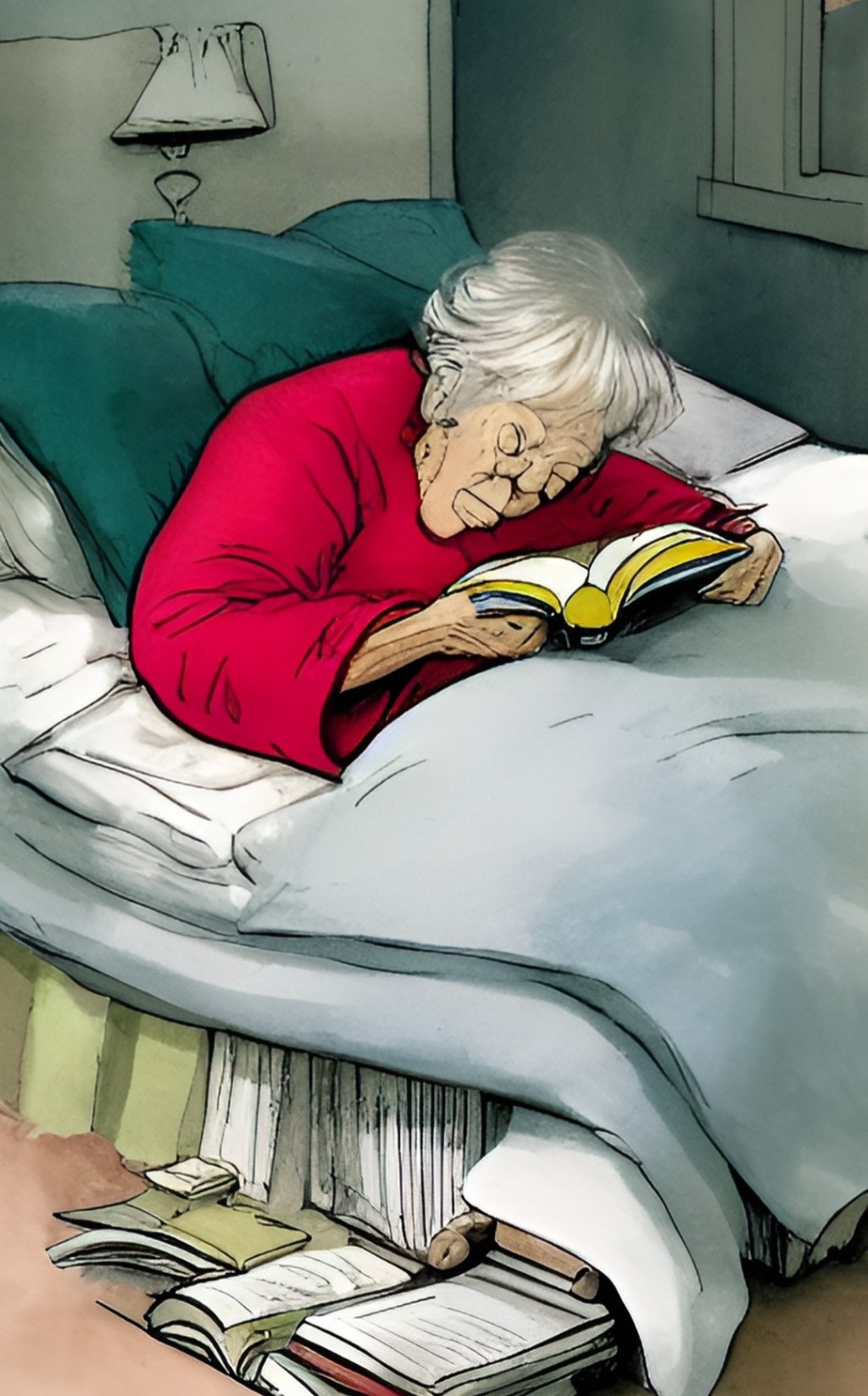
Illness is a part of life. It may not be a pleasant one, it may not help anyone, but, try as you may, you cannot always deny it the entry. Even if you – somehow – manage to stay away from it, you’d inevitably see it around you.
What do we do, then?
Everyone who is born holds dual citizenship, in the kingdom of the well and in the kingdom of the sick. Although we all prefer to use the good passport, sooner or later each of us is obliged, at least for a spell, to identify ourselves as citizens of that other place.
Susan Sontag
Well, the obvious answer seems to be, taking adequate healthcare steps while we are suffering from a disease – and also while we are not. However, life does not seem so simple when you are in the clutches of illness. The mind wanders in all directions. Maybe… some meditation might help? Which one? One way is to read the book Medical Maladies, which brings you the experiences of people that saw the effects of diseases either within them or outside.
The book starts with a place where we have recently been, or might revisit again, who knows? Quarantine. The short story was written by Rajinder Singh Bedi in 1940. Yet, you’d find the settings strikingly familiar. Take a look at the below passage where the author describes what he sees around.

While the plague was terrible enough, the quarantine was more dreadful still. People feared it more than the disease itself, prompting the Department of Health to put out tall posters across doors, streets and highways that instructed people on ways to keep out the rats. Over time, the original caption ‘No Rat, No Plague!’, which appeared on these posters was expanded to include ‘No Rat, No Plague, No Quarantine!’.

The people’s fear of the quarantine was not without reason. As a doctor, I can say it with some authority that the quarantine claimed more lives in the city than the plague, although the former isn’t a disease per se, but rather the name given to an area where those suffering from this infectious pandemic are lawfully isolated from healthy people to prevent further spread of infections. While doctors and nurses were quite well-prepared to handle the quarantine, they could not give individual care to the patients. Separated from their kin and well-wishers, I personally saw many patients lose hope. Many died prematurely just from seeing the unceasing cycle of death around them.
While we are on the subject of quarantine, you’d remember how numerous superstitions were raging across various societies during the Covid-19 pandemic. Some people were banging utensils to shoo the virus away, some were licking shrines, and some were even doing black magic to bring an order in the universe. Similarly, there is a story in this collection, titled, ‘The Plague-Witch’ – it recounts how superstitious societies deal with pandemics.
There is an interesting aspect of illness that the book analyses – it’s the relationship between a doctor and patient. And not just between these two, but between the patients or doctors themselves. When you visit a hospital, it seems like a strange place, where you probably wouldn’t want to stay for long. However, if and when the circumstances force you to stay there, you slowly gain a fresh perspective. You begin to see that it’s an entire world out there, living in its own peculiar ways. It’s therapeutic to read some of these stories and understand the complications in people’s lives and what they go through, especially during a health crisis.
These stories will make you think, not just about how the world around you, but also about your own life. We often overlook the fragility of our existence as we get busy in the worldly routines, but stories like these remind you of the most precious thing that we hold within ourselves: Life!
PS: You don’t have to fall ill or have an inclination towards illness to read Medical Maladies. If you’re keen to read some quality Indian short fiction from Tagore to Manto to Premchand — that might suffice. Also, don’t forget to follow our podcast A Book A Day to hear some of these stories.
 Kalampedia