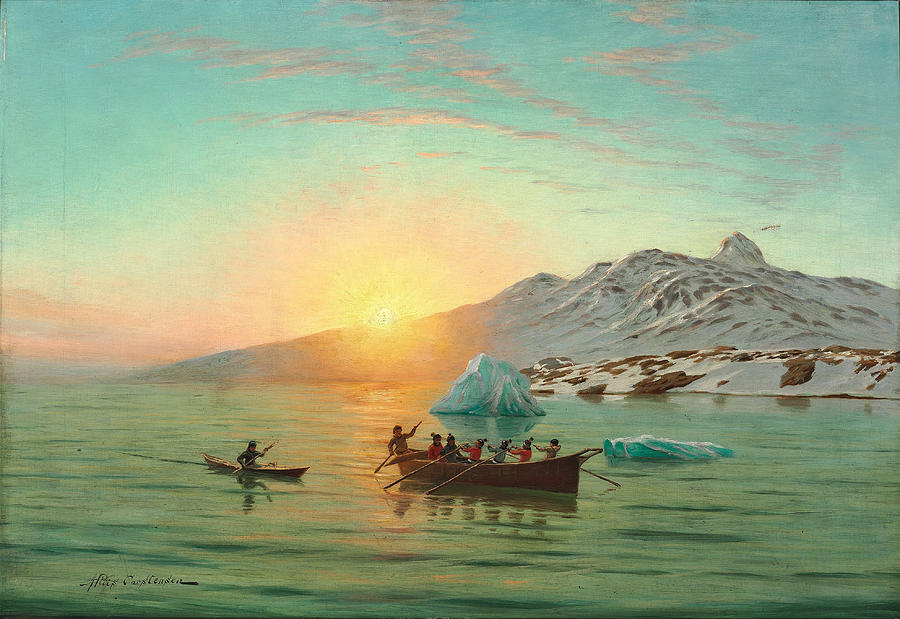
An African in Greenland? That makes one curious. We all know what follows when Americans (or Europeans) travel to Africa — that part has filled the history books. But, what happens if the roles are reversed? Well, as it turns out, the entire episode is nothing less than a fairy.
The Beginnings
A young lad, living in an exotic land, gets into trouble and eventually finds a way to grab hold of the adventure that awaits him. Sounds familiar, right? Something like Harry Potter, even Bilbo Baggins? Only that… it’s a true story.
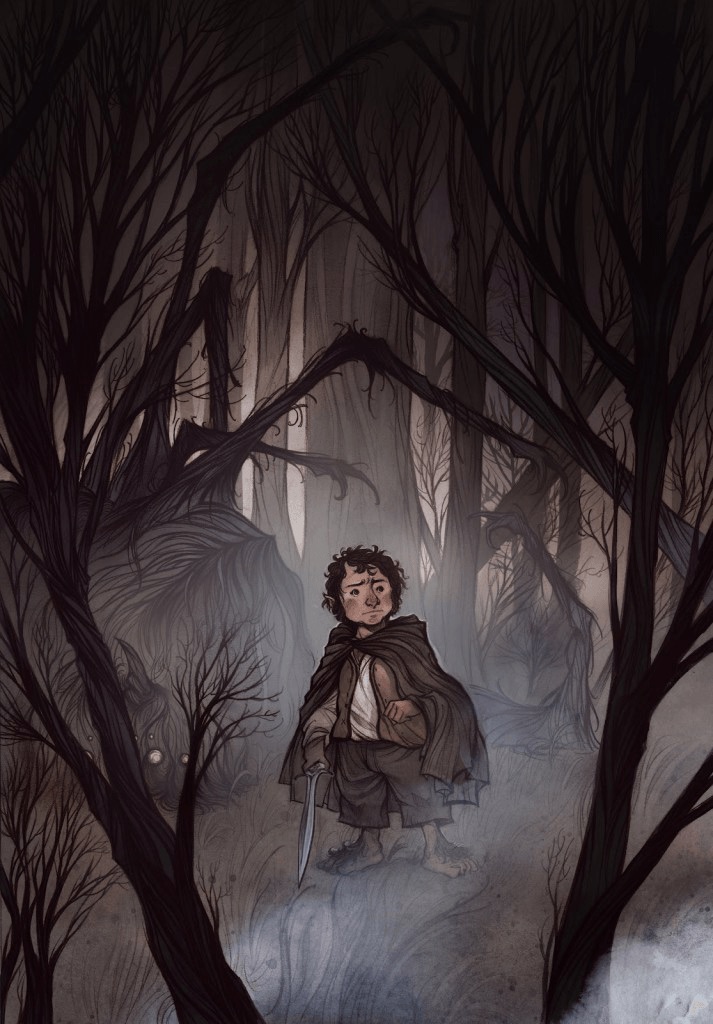
We are talking about Tété-Michel Kpomassie and his memoirs titled An African in Greenland. Kpomassie was born in Togo (1941), where he lived with his father who had eight wives and twenty-six children. But… that was not a trouble.
Kpomassie’s troubles begin when — one day — while gathering coconuts, on seeing a snake, he panics and falls off the tree. His father is a bokonon, a priest in touch with divine powers. The bokonon takes his son to a sacred forest where a high priestess performs her rituals and purifies the boy. In return, she demands that when the boy has recovered, he should be brought back to the forest and initiated into her cult.
It’s a deal, the father says. The son, as you would expect, is not thrilled about the idea. Kpomassie, who is a passionate reader like you and I, has recently bought anthropologist Robert Gessain’s Les Esquimaux du Groenland à l’Alaska (The Eskimos from Greenland to Alaska) from a small bookshop. Immediately, the subject captivates him, and within a year he’d run away from home in pursuit of the Arctic.

From Boyhood to Manhood
For six years Kpomassie works hard in the west coast of Africa, educating himself and working in various jobs. Eventually he finds a way to get to France (Togo was still a French colony back then). While in France, he uses his wits and charm to survive. He is constantly helping people, and as Karma would have it, they return the favours. The world isn’t really that bad a place, or is it? From France, he goes to Germany, and then Denmark. However, this is not what he had in mind when he left Africa. He writes:
This was not the Greenland of my dreams. I wanted to live with seal hunters, ride in a sledge, sleep in an igloo! But apart from two kayaks, there were no seal hunters left in K'akortoq, not a single sledge, not a husky. And not one single igloo!
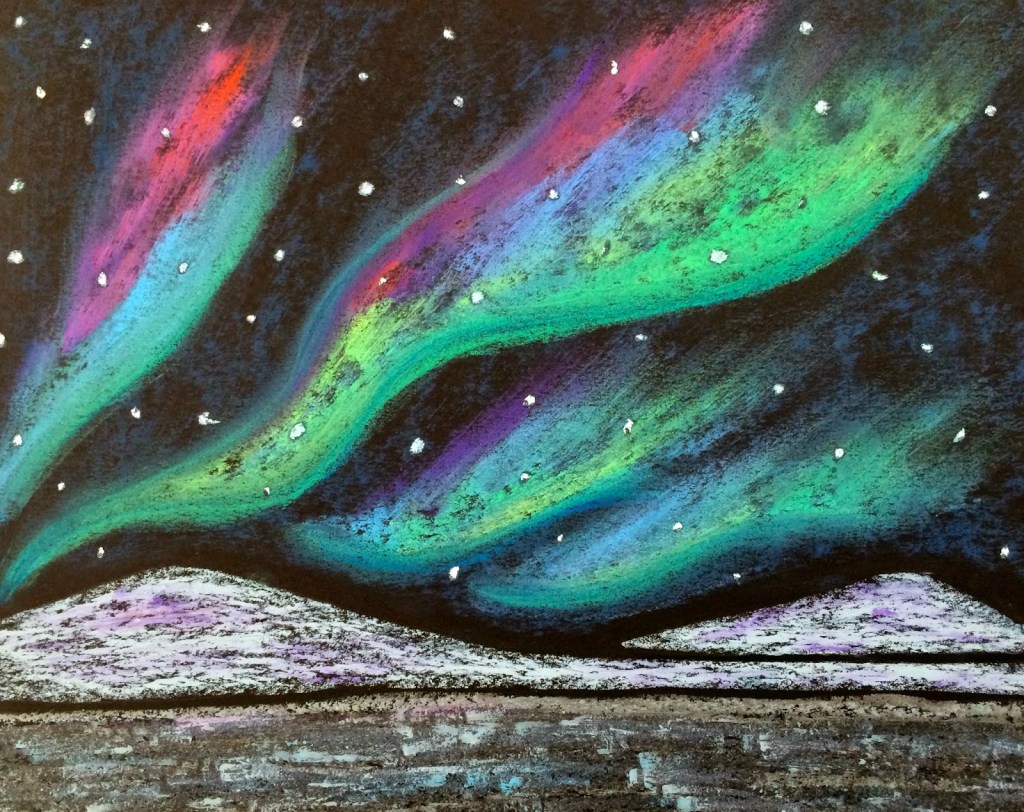
So, he sets out north, once again. Along the way, he experiences the first snow — it’s bizarre and scary to him. As it turns out, the snow is indeed the tip of the iceberg. Something else awaits him at night as he describes the beauty of the aurora (northern lights).
It was like the radiance of some invisible hearth, from which dazzling light rays shot out, streamed into space, and spread to form a great deep-folded phosphorescent curtain which moved and shimmered, turning rapidly from white to yellow, from pink to red.
I Have Arrived!
In Greenland, Kpomassie becomes a celebrity in no time.
As soon as they saw me, all stopped talking. So intense was the silence, you could have heard a gnat in flight. Then they started to smile again, women with slightly lowered eyes. When I was standing before them in the wharf, they all raised their heads to look me full in the face. Some children clung to their mothers' coats and others began to scream with fright or to weep.
To be fair, not the kind of celebrity one would hope to be.
Kpomassie is a keen observer. He observes the local customs wherever he goes. He talks to people, listens to their stories, understands them — just like a good traveller would do. Here too, in Greenland, he assimilates into the local culture. Wherever he stops (he is always on the move), he becomes a part of the host family. And then he shares their stories with us.
Life comes to a full circle when Kpomassie describes the life of children in Greenland. In Togo, he had left behind a place where one had to listen to the parents, no matter how ridiculous it was. On the contrary, here, he says:
Words cannot describe the total freedom children enjoy in this country. It is they, rather than the adults, who first adopt the stranger. So the great merit of this people is that in all cases where intuition counts for more than reason, they always recognise and follow the natural instincts of their children.
How wonderful that sounds!
There is only one problem, though. If his father had thought like him and let him have his way, he might not have left Togo and experienced this incredible journey. Life surprises you with its strange ways. And that’s exactly what An African in Greenland shows us.
Reference books:


 Kalampedia