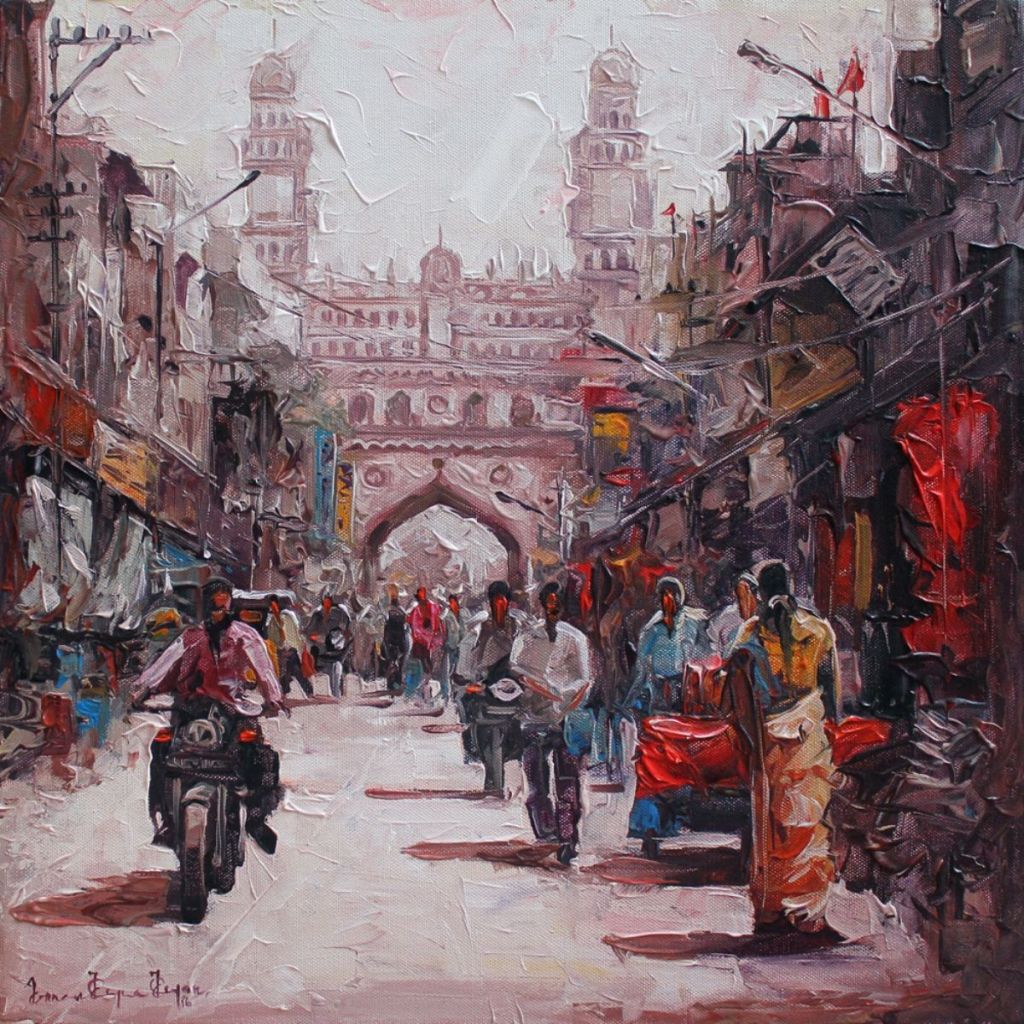
Nobody. That’s right, nobody gets a chance to call himself or herself the majority in India.
As Shashi Tharoor observes in his book India: From Midnight to the Millennium and Beyond, the concept of being in majority in India makes no sense; after all, everyone is in minority.
How is that possible, one might ask? Tharoor explains his point as quoted below.
A Hindi-speaking Hindu male from the Gangetic plain state of Uttar Pradesh might cherish the illusion that he represents the "majority community," to use an expression much favoured by the less industrious of our journalists. But he does not. As a Hindu he belongs to the faith adhered to by some 80 percent of the population, but a majority of the country does not speak Hindi. A majority does not hail from Uttar Pradesh. And if he were visiting, say, Kerala, he would discover that a majority is not even male. Worse, our archetypal UP Hindu has only to step off a train and mingle with the polyglot, polychrome crowds thronging any of India's five major metropolises to realise how much of a minority he really is. Even his Hinduism is no guarantee of majorityhood, because his caste automatically places him in a minority as well. If he is a Brahmin, 90 percent of his fellow Indians are not. If he is Yadav, 85 percent of Indians are not, and so on.
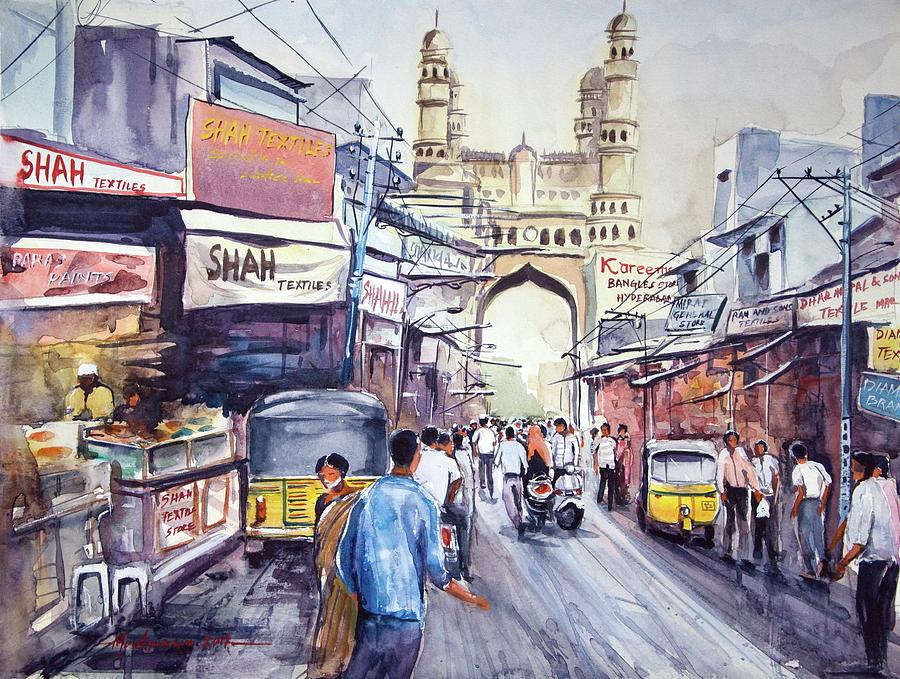
Such is the complexity of the diverse nation that is India.
There is another way to look at this majority-minority aspect. When we say that there are 80% Hindus, 14% Muslims, 2% Christians, 1% Sikhs in India, it tells us nothing about their distribution. Sikhs, for example, despite being a tiny minority, form a majority in the state of Punjab. Similarly, Muslims are in majority in Jammu Kashmir, Christians are in majority in the three north-eastern states — Nagaland, Mizoram and Meghalaya.
Wait… there is more. Think about this: people don’t really live in a nation or a province, they live in cities, towns, in the streets. The deeper you look, the more skewed these demographics seem to be. When you take this into account, you realise the reality is far more complex than what is painted on the front pages of newspapers.
That’s religion. Now, let’s take a look at Indian languages.
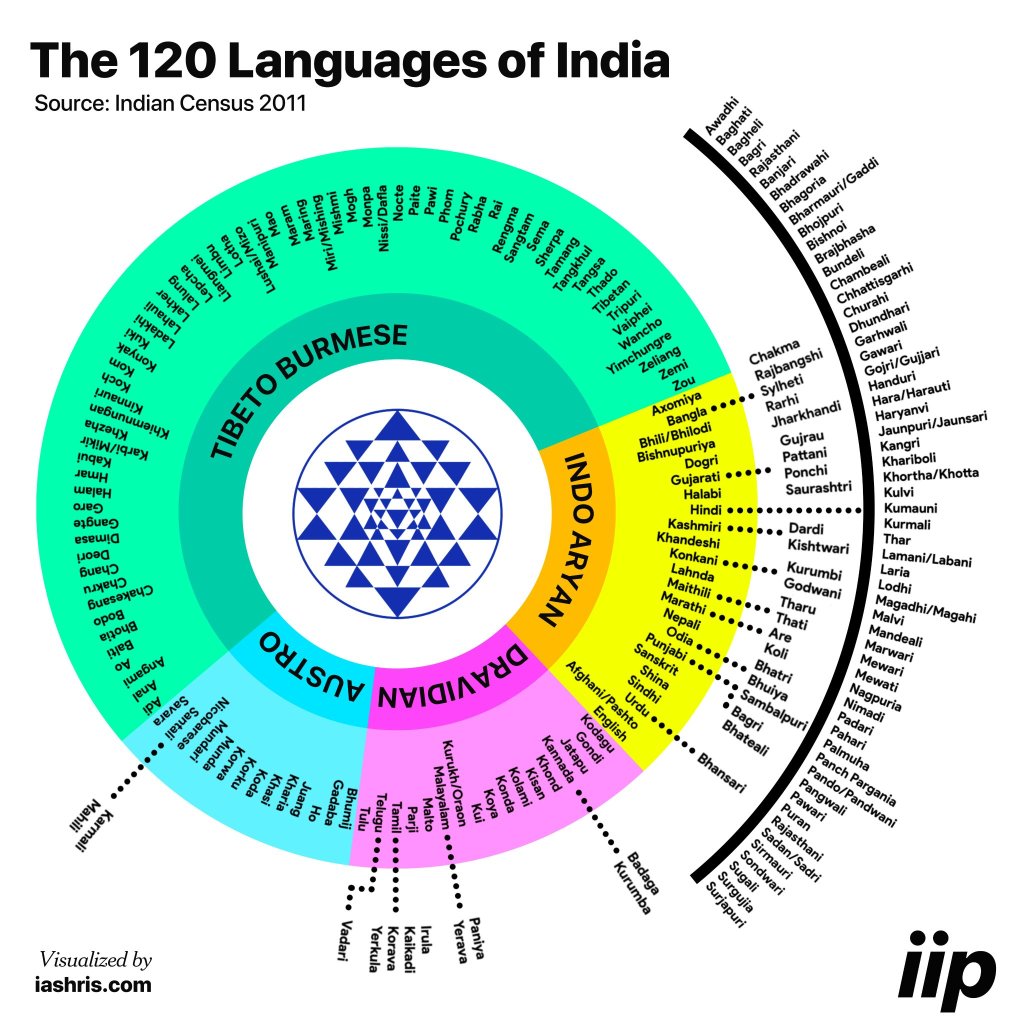
The Constitution of India recognises twenty-two official languages. In fact, there are thirty-five Indian languages that are spoken by more than a million people. Then there are dialects, which run into thousands. Interestingly, each of the native speakers of these languages is in linguistic minority. It should have been obvious by now that no one enjoys majority status in India.
Ethnicity further complicates the notion of a majority community. Most of the time an Indian’s name immediately reveals where he is from and what his mother tongue is. When Indians introduce themselves, in some ways, they are advertising origins. This adds to more confusion to identity as Tharoor points out.
A Karnataka Brahmin shares his Hindu faith with a Bihari Kurmi, but feels little identity with him in respect to appearance, dress, customs, tastes, language, or political objectives. At the same time a Tamil Hindu would feel that he has far more in common with a Tamil Christian or Muslim than with, say, a Haryanvi Jat with whom he formally shares a religion.
When you live in India you embrace multiple identities — all at once — in terms of religion, culture, caste, race, language, culture etc, and yet, no matter what you identify with, you always end up being in the minority category.
Reference books:


 Kalampedia