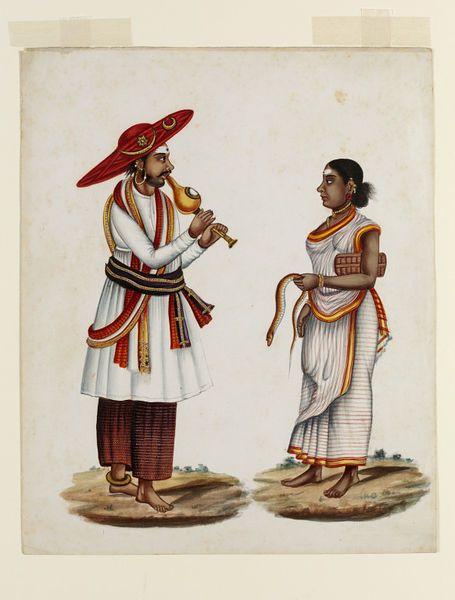
The British Empire, many pundits now agree, descended like a juggernaut upon the barbicans of the East, in search of loot. The moguls of the raj went in palanquins, smoking cheroots, to sip toddy or sherbet on the verandas of the gymkhana club, while the memsahibs fretted about the thugs in bandanas and dungarees who roamed the night like pariahs, plotting ghoulish deeds.
All the italicised words in the above paragraph — pundits, juggernaut, barbicans, loot, moguls, palanquins, cheroots, toddy, sherbet, verandas, gymkhana, memsahibs, thugs, bandanas, dungarees, pariahs and ghoulish — can be found with their Eastern family trees in Hobson-Jobson, the legendary dictionary of British India on whose reissue Routledge ought to be congratulated. These thousand-odd pages, they are eloquent testimony to the unparalleled intermingling that took place between English and the languages of India. And while some of the Indian lone words will be familiar — pakka, curry, cummerbund — others should surprise many modern readers. Did you know, for example, that the word tank has Gujarati and Marathi origins? Or the cash was originally the Sanskrit karsha, a weight of silver or gold equal to one-four-hundredth of a tolah? Or that a shampoo was a massage, nothiing to do with the hair at all, deriving from the imperative form champoo of the hindi verb champna (to need and press the muscles with the view of relieving fatigue etc).
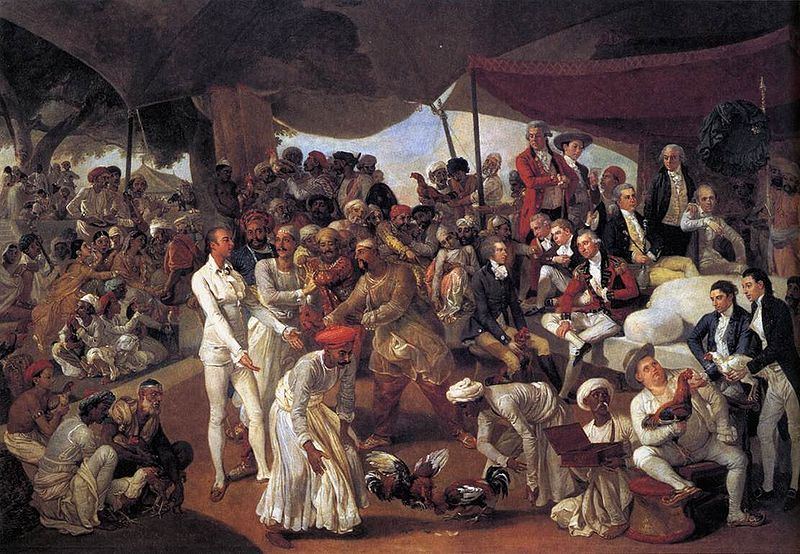
Every column of this book contains revelations like these, written up in a pleasingly idiosyncratic, not to say, cranky style. The authors Henry Yule and A. C. Burnell are not averse to ticking off an untrustworthy source, witness their entry under muddle, meaning a double or secretary or interpereter. This word is only known to us from the clever — perhaps too clever — little book (Letters from Madras), and was probably a misapprehension of budlee.
The chief interest of Hobson-Jobson now lies not so much in its etymologies for words still in use, but in the richnesses of what one must call the Anglo-Indian language whose memorial it is. That language which was in regular use just forty years ago and which is now as dead as a dodo.
In Anglo-Indian a jam was a Gujarati chief, a sneaker was a large cup (or small basin) with a saucer and a cover, a guinea pig was a midshipman on an Indiabound boat, an owl was a disease, macheen was not a spelling mistake but a name abbreviated from maha-cheen for great China. Even a commonplace word like cheese was transformed. The Hindi cheez, meaning a thing, gave the english word a new slanging sense of anything good, thus great in quality, genuine, pleasant or advantageous as we are told in the phrase these cheroots are the real cheese.
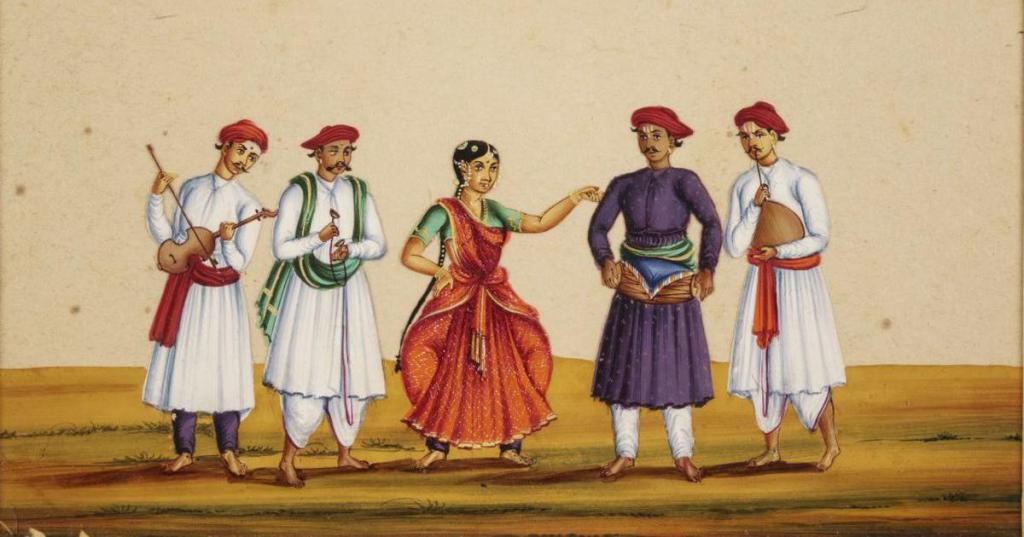
Some of the distortions of Indian words perhaps by vulgar lips have moved a long way from their sources. It takes an effort of the will to see the Anglo-Indian snow-rupee meaning “authority”, the Telugu word tsanauvu. The dictionary’s own title, chosen, we are told, to help it sell, is of this type. It originates in the cries of “Ya Hassan, Ya Hussein” uttered by Shia Muslims during the Muharram processions. I don’t quite see how the colonial British managed to hear this as Hobson-Jobson, but this is clearly a failure of imagination on my part.
It’s just about a century since this volume’s first publication, and in 1886 it was actually possible for Yule and Burnell — whom it’s tempting to rename Hobson and Jobson — to make puns which conflated Hindi with of all things Latin. The Anglo-Indian word poggle a madman comes from the hindi pagal. And so we are offered the following macaronic adage which we fear the non indian will fail to appreciate. Pagal et pecunia jaldè separantur! — a fool and his money are soon parted.
British India had absorbed enough of Indian ways to call their Masonic lodges jadoogurs after the Hindi for a place of sorcery, to cry kubberdaur (kahabardar), when they meant look out, and to pakarao an indian (catch him) before they start to samjao you. Literally to make him understand something but, idiomatically, to beat him up.
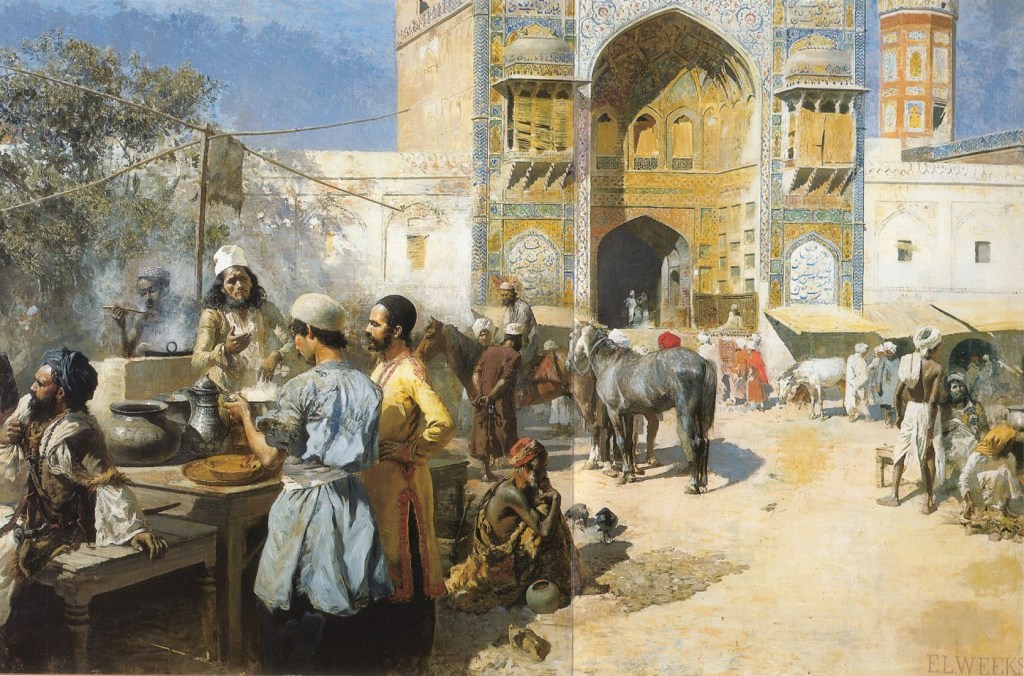
Strange then to find certain well known words missing no kaffir, no gully, not even a wog, or there is a wug, a Baloch or Sindhi word meaning either loot or a herd of camels. Hobson-Jobson can be wonderfully imprecise at times.
A modern appendix might usefully be commissioned to include many English words which have taken on in the independent India new Hinglish meanings. In India today the prisoner in the dark is the undertrial, a boss is often an incharge, and in a sinister euphemism those who perish at the hands of the law enforcement officers are held to have died in a police encounter.
To spend a few days with Hobson-Jobson is almost to regret the passing of the intimate connection that made this linguistic kedgeree possible. But then one remembers what sort of connection it was and is moved to remark as Rhett Butler once said to Scarlett O’Hara: ‘Frankly, my dear, I don’t give a small copper coin weighing one tolah, eight mashas and seven surkhs, being the fortieth part of a rupee.’ Or, to put it more precisely, a damn.
(Written by Salman Rushdie in 1985)
Reference books:


 Kalampedia