
If you are a beginner and have no previous exposure to meditation, you might have a number of questions and doubts in your mind. That’s why, in this post and the next, we’ll try to address some of those questions. If you still have some queries, you can always write to us at contactkalampedia@gmail.com.
Now, let’s address a few basics here.
Meditation is a skill
In order to experience the benefits of meditation it is necessary to practice regularly; as with any activity, it will be more rewarding when we dedicate our energy wholeheartedly to it.
Meditation is a skill, and just like any other skill you will get better at it with time. It is all right if you are having a hard time in the beginning. We all go through this phase. It might be a challenge to sit still, or focus, or maintain a routine. Remind yourself that it is all right. Relax. Breathe. The meditation session is your time to relax, to experience calm and bliss.
The meditation place
If possible, it is best to reserve a room or corner. Set up your seat, either a cushion on the floor, on a bed or sofa, or a striaght-backed chair, with a table or chair in front of you, in case you want to read this text for instructions.
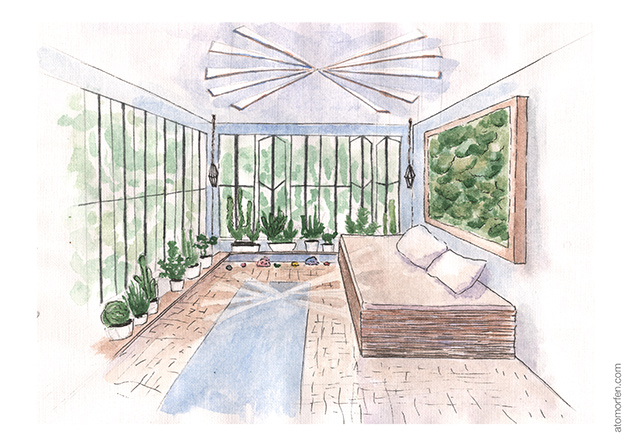
If there are certain images or statues that inspire you, then you can set up an altar nearby.
Ideally, the place should be clean and quiet, where you won’t be disturbed. However, with discipline and regular practice, it is possible to meditate in a crowded, noisy environment.
Short Sessions
In the beginning it is best to meditate for short periods — ten to twenty minutes — and end your session while mind and body are still comfortable and fresh. If you push yourself to meditate for too long and rise from your seat with an aching body and a frustrated mind, you won’t have much interest in sitting down to meditate again. Meditation should be a satisfying and productive experience, not a burden.
It’s a good idea to decide beforehand on a period of time for the session and stick to it, even if the meditation is going well. As your skill develops you can increase the length of your sessions accordingly.
Choosing a practice
We will cover this part in detail once we get to the practice sessions. In general, it is a good idea to start with the meditation on breath. This is ideal for calming the mind and starting to develop some insight into your thoughts and feelings.
Once you’re familiar with meditation, choose the practices that best suit your needs. If, for example, you are inclined towards anger, you could meditate on patience or loving-kindness. If disturbed by strong desire or attachment, you would benefit from meditating on impermanence, death or suffering. We will explain the relevance and potential benefits of a particular practice when we discuss them in a session.
All this is meant as a general guide only; with practice you will learn to know what to do and when.
The need for a teacher
The most effective way to learn anything is to study with someone who has already mastered it — and meditation is no exception. However, given the pandemic and other challenges, it may be a challenge to find a qualified teacher. If you can find someone with whom you can communicate well and learn, we would advise you to do that. In the meantime, you can practice meditations such as those explained here. Besides, your own innate wisdom, your inner guru, will tell you whether or not you are heading in the right direction.
Meditation is an internal, not external activity. Your practice will transform your mind on a subtle level, making you more sensitive and clear, and giving you fresh insight into ordinary day-to-day experiences. Congratulate yourself every time you complete a session, for each session will add a tremendous value to your quality of life. Remember, especially in the beginning, that all the effort and struggles you are putting in — that itself is meditation. As long as you are trying, it is a mistake to think that you can’t meditate. Results take time. Don’t be discouraged if you have not achieved good concentration within a few weeks; it is a lifelong journey, after all. So, be easy on yourself. Recognise your capabilities and limitations and evaluate your progress accordingly.
Click here to know about how to sit during a meditation session.
 Kalampedia