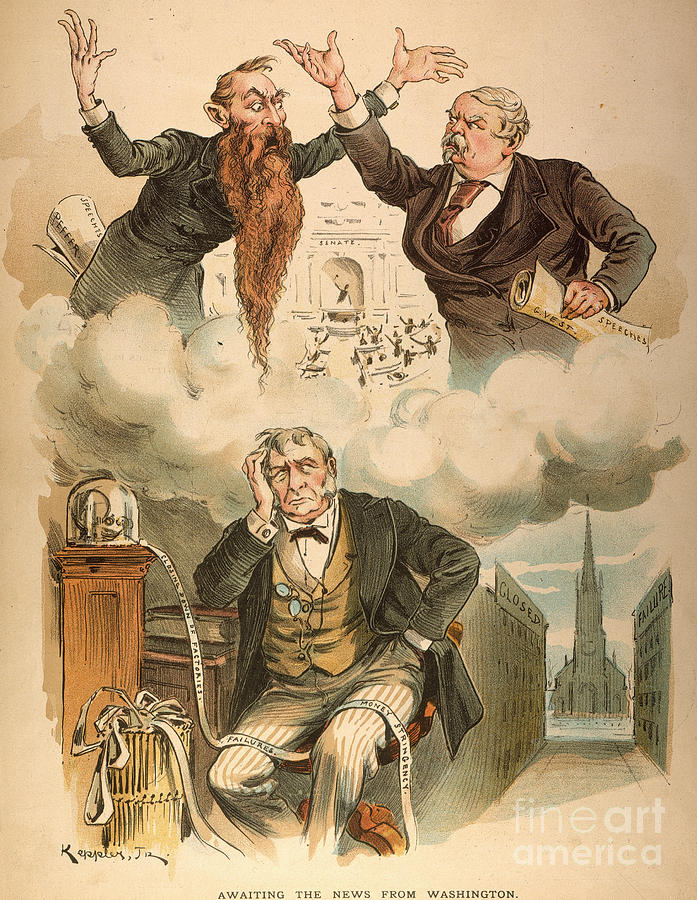
We don’t want politics to interfere in our children’s education. But… that’s some wishful thinking on our part. While making the above mentioned wish we are forgetting that schools and their curricula are under state control, and there are politicians and bureaucrats sitting behind this state who have ideologies. So, it is inevitable that a political ideology will get reflected in what gets taught and how it gets taught in our schools. Instead of ignoring or rejecting this fact, we must learn to understand it better and see how we can make things better.
The first step is to understand. We need to see how much of our education system is influenced by the liberal or the conservative ideas. Gary Thomas, Professor of Education at the University of Birmingham, explains the differences in these ideologies and their impact in his book Education: A Very Short Introduction. Let’s discuss these ideas one by one.
Method of teaching
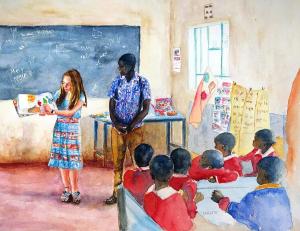
The liberal approach is more child centred. It encourages the child to learn by playing, experimenting and doing. The idea is to make education fun for the child. The conservative view is slightly different. It believes that coddling a child can have bad long-term impacts. This view is less romantic and focuses more on the hardships of life. The teaching methods are more direct and didactic. A lot of attention is on teaching facts.
Aim of education

Here too, the two approaches differ. The aim of liberal education, right from its founders such as John Locke and Jean-Jacques Rousseau, has been to teach the child to think critically so that they can become an independent human being. The conservative view is to make the child an integral part of society and help them learn all the skills necessary to adjust in social life. As you can see, the aspiration in first case is that of individual freedom, while in second case, it is the maintenance of order or structure of society.
Content of education
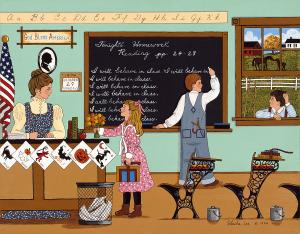
Now that we are clear about the objectives of two views, we can see what content they choose and how they organise it. The liberal approach is to focus on projects or topics, by using different subjects simultaneously. The conservative approach is to teach the subjects separately. In latter’s case, as you can see, the concept of boundaries is very important. So, there are boundaries between subjects, between the teacher and the students, between home-work and class-work, and so on.
Liberal Vs Conservative: What’s the lesson here?
It is easy to recognise that some kind of balance of these two approaches would be ideal in case of school education. The challenge, however, is that it is not always possible. Sometimes, a particular society or culture is tilted in one direction and the education has to be imparted as per that. Sometimes, depending on the need (or dreams) of a student, they might require a certain approach. For instance, someone hoping to get into military services would require a formal mode of education. Similarly, an aspiring artist might be more suited in an informal setting.
These are subjective viewpoints and we can never have an objective answer on the question of education. What we can do is, notice and understand how the education system works and how we can make it better, keeping in mind the needs of our child as well as the society.
Note: You can also listen to my podcast on the philosophy of liberalism and conservatism.
 Kalampedia